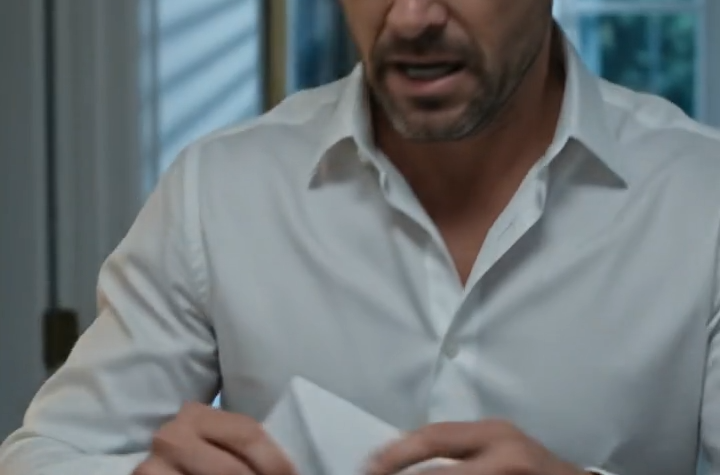
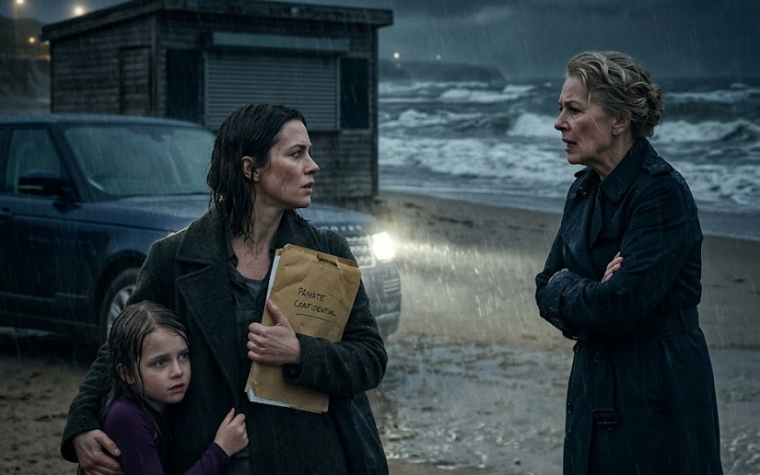
“What did you imagine?”
“That I would scream at you.”
“You still can.”
She almost smiled.
“I’m too tired.”
Then she became serious again.
“I believed you abandoned us, Arthur.”
“I know.”
“And you believed I disappeared.”
“Yes.”
She looked toward the room where the children were sleeping.
“One lie stole five years from four people.”
Five, I thought, because it had stolen something from me too.
But I did not correct her.
This was not about winning the mathematics of pain.
I had spent my career building structures designed to last for generations.
Steel.
Glass.
Concrete.
Foundations measured to fractions of an inch.
Yet the most important thing I had ever built was now being assembled through tiny decisions no magazine would photograph.
Showing up when I promised.
Listening before answering.
Letting Madeline choose without trying to overpower uncertainty with money.
Protecting the children’s privacy.
Refusing to let my mother’s guilt become another burden Madeline had to carry.
Nothing between Madeline and me returned to what it had been before.
That version of us was gone.
Something slower began in its place.
Not a grand reconciliation.
Not a dramatic promise beneath the Manhattan skyline.
Trust, in small pieces.
One Sunday morning months after Central Park, I took the children there again.
Madeline came with us.
We passed The Lake, the coffee carts, the joggers, and the same paths where my mother once told me I had forgotten how to live.
When we reached the oak tree, I saw the bench.
I stopped.
Madeline noticed.
“You okay?”
I looked at the bench where I had found the life I never knew had been taken from me.
Then I looked at the three children moving ahead of us, and at Madeline standing beside me—not because she had nowhere else to go, but because she had chosen to be there.
“I am,” I said.
For most of my adult life, I believed success meant building something so large nobody could ignore me.
That morning, I understood something different.
The buildings had never been the proof of my life.
Showing up was.