My sister contacted me only when she needed tax help, and when I declined, she called me vindictive.
Mom alternated between silence and messages about how much she missed the grandchildren, though she never asked what apology they deserved.
I did not block her, but I stopped rescuing her from the consequences of her choices.
Dad visited alone in March.
He brought cinnamon rolls from the bakery my children liked and sat at our small kitchen table while they told him about school.
When my son became excited and spoke too loudly, Dad did not flinch.
He listened.
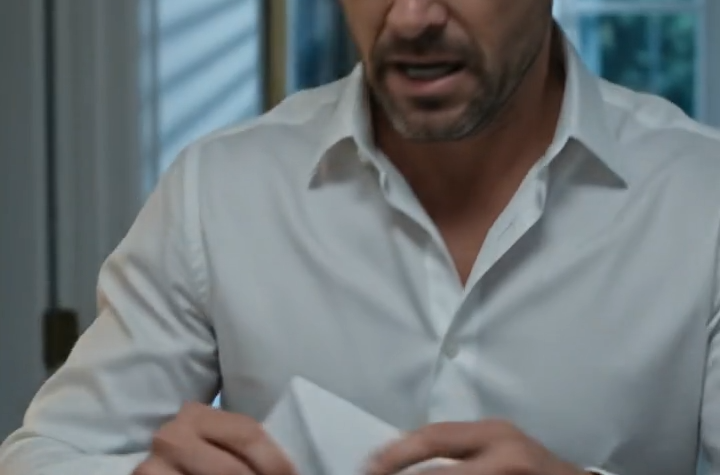
Before leaving, he gave me an envelope containing a handwritten apology.
He had written separate paragraphs to each child.
The words were simple and imperfect, but they named what he had done wrong without asking them to comfort him.
I kept the letters for the day they were old enough to understand them fully.
Mom’s apology did not come until October.
It was not dramatic.
She did not arrive crying.
She sent a message that read, “I treated your help as an obligation and your children as optional.
I was wrong.
I understand if you do not trust me.”
I read it several times.
An apology was not a restored relationship.
It was only the first honest brick.
I told her she could visit the children at my home for one hour, provided she did not discuss the family conflict or blame anyone else.
She agreed.
When she arrived, my daughter was playing music in the living room.
My son was racing a remote-controlled car beneath the dining table.
The house was loud.
Mom stood in the doorway for a moment.
Then she took off her coat, sat on the floor, and asked whether she could play.
I watched carefully.
I did not mistake one good afternoon for transformation.
I did not hand back access to my money, my labor, or my trust.
But I allowed the moment to be what it was: a beginning that belonged to my children, not a rescue mission assigned to me.
The following Christmas, we stayed home again.
There were pancakes, matching pajamas, too much wrapping paper, and music that rattled the cheap ornaments on our crooked tree.
Dad visited in the afternoon.
Mom came for dessert after asking permission weeks in advance.
My brother and sister celebrated elsewhere.
Their choices no longer controlled the temperature of my home.
My son laughed so loudly that hot chocolate came out of his nose.
My daughter fell against the couch, howling.
For a second, everyone in the room went silent.
Then Mom laughed too.
I looked around at the mess, the mugs, the torn paper, and the children taking up every inch of space they needed.
For years, I had believed peace meant absorbing every insult before it reached the people I loved.
I thought family survived because one person kept paying, forgiving, arranging, carrying, and pretending.
I had been wrong.
Peace built on a child’s humiliation is surrender.
Generosity without respect becomes permission.
And a table is not family merely because relatives sit around it.
Family is the place where the people you love do not have to become smaller to be welcomed.
That Christmas, my children were loud.
They were messy.
They were completely at home.
And no one asked them to leave.