Kimberly’s engagement ended after her fiancé learned the depth of her debts and the lies surrounding the promised apartment.
She entered a repayment plan after the civil claim and sold the white SUV.
On the afternoon it was driven away, she called Savannah.
“You were right about the parking spot,” she said bitterly.
Savannah stood in her San Francisco office, looking through the window at the fog moving between buildings.
“It was never about the spot,” she replied.
Kimberly was quiet.
“I know.”
It was the closest she came to an apology.
Months later, Savannah returned to Monterey with Marcus.
They walked to the cliff where they had exchanged vows.
The ocean sounded exactly as she remembered, but the waves no longer seemed to strike against empty chairs.
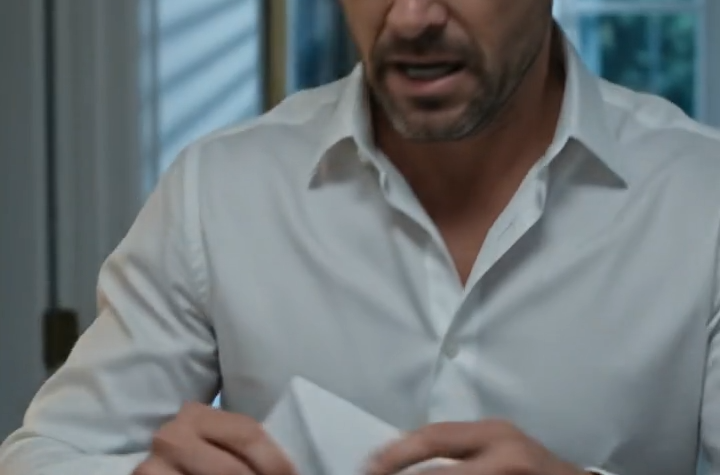
Marcus carried a small envelope.
Inside were two photographs from their wedding.
One showed Savannah standing alone before the ceremony, staring toward the seats reserved for her parents.
The other showed her walking back down the aisle with Marcus, laughing as the wind pulled at her veil.
“Which one do you want framed?” he asked.
Savannah studied them.
For years, she would have chosen the first because pain had made it feel like the truest image of that day.
Now she touched the second.
“This one.”
They framed it in the entryway of their home.
Not because the betrayal had stopped mattering, but because it was no longer the center of the story.
The center was the woman who had stood before two empty chairs and still completed her vows.
The woman who had built a life without becoming cruel.
The woman who finally opened a sealed envelope and discovered that being underestimated was not the same as being powerless.
Harold had spent decades believing strength meant controlling the room.
Savannah learned that real strength was remaining calm until the truth could speak for itself.