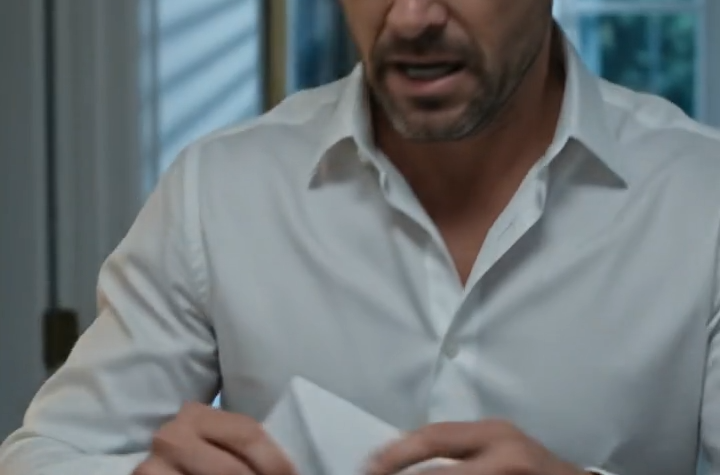
Daniel slid a copy across the table.
It was the employment agreement from three years earlier.
Claire had signed beneath a paragraph stating that I had no prior relationship with Walter and that the family had instructed me to present myself as his granddaughter.
The document she once used to control me now proved Walter’s accusation: the deception had begun with her.
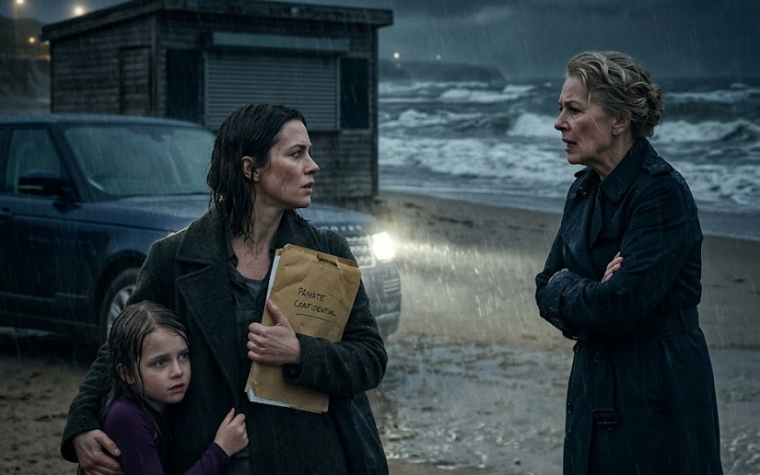
Claire did challenge the estate, but the case never reached a public trial.
Her attorney withdrew the claim after reviewing Walter’s evidence and the independent medical assessments.
Several disputed withdrawals were repaid through a civil settlement.
The investigation into the attempted property transfer ended without prison, but Claire paid penalties, surrendered her role in the estate, and signed an agreement barring her from managing the charitable trust.
Richard cooperated with investigators.
He admitted that he had signed documents Claire gave him without understanding the full plan.
His relationship with the rest of the family remained strained, but months later he volunteered to help move furniture when Walter’s house was converted into housing for veterans.
I accepted Walter’s gift only after several meetings with Daniel and the trust administrator.
Part of me worried that taking it would make Claire’s accusations true.
Daniel reminded me that refusing would not return the money to Walter.
It would only defeat a decision he had made carefully and competently.
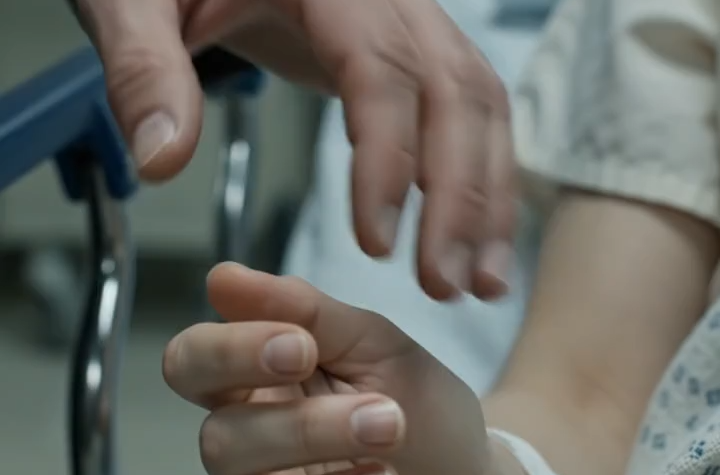
The trust paid the balance of Noah’s treatment bills.
My mother cried when the first hospital statement arrived showing a zero balance.
She sat at the same kitchen table where I had once watched her hide an envelope beneath unpaid bills.
This time, she did not fold the paper away.
She placed it in the center of the table and kept touching the printed zero as though it might disappear.
Noah’s health did not transform overnight.
He still had difficult months, new medications, and days when getting out of bed felt like an achievement.
But his care became consistent.
Decisions were made according to what his doctors recommended, not what we could afford that week.
I returned to college full-time and completed the degree I had nearly abandoned.
On graduation day, my mother and Noah sat together in the front section.
Noah wore Walter’s old military tie, the one personal item Walter had specifically left to him.
After the ceremony, we drove to Walter’s former house.
The sign outside identified it as Harrison House, a residence for veterans who needed temporary assistance while recovering from illness or transitioning into long-term care.
Inside, the study remained almost unchanged.
Walter’s desk stood beneath the window.
His chessboard rested beside the chair where he used to wait for me every Sunday.
The director had placed Walter’s photograph on the mantel, but the brass key was displayed beside it in a small glass case.
Its inscription did not mention inheritance, deception, or scandal.
It read: FOR THE PERSON WHO STAYED.
I stood there listening to voices from the kitchen, where two residents were arguing cheerfully over coffee.
The house was no longer quiet.
No one inside was waiting for relatives who might never come.
For years, I believed my relationship with Walter had begun as a lie.
Eventually, I understood what he had known from the first Sunday.
A false name had brought me to his door, but every choice after that had been real.
I had not replaced the granddaughter who left him.
I had simply become the family member who stayed.